
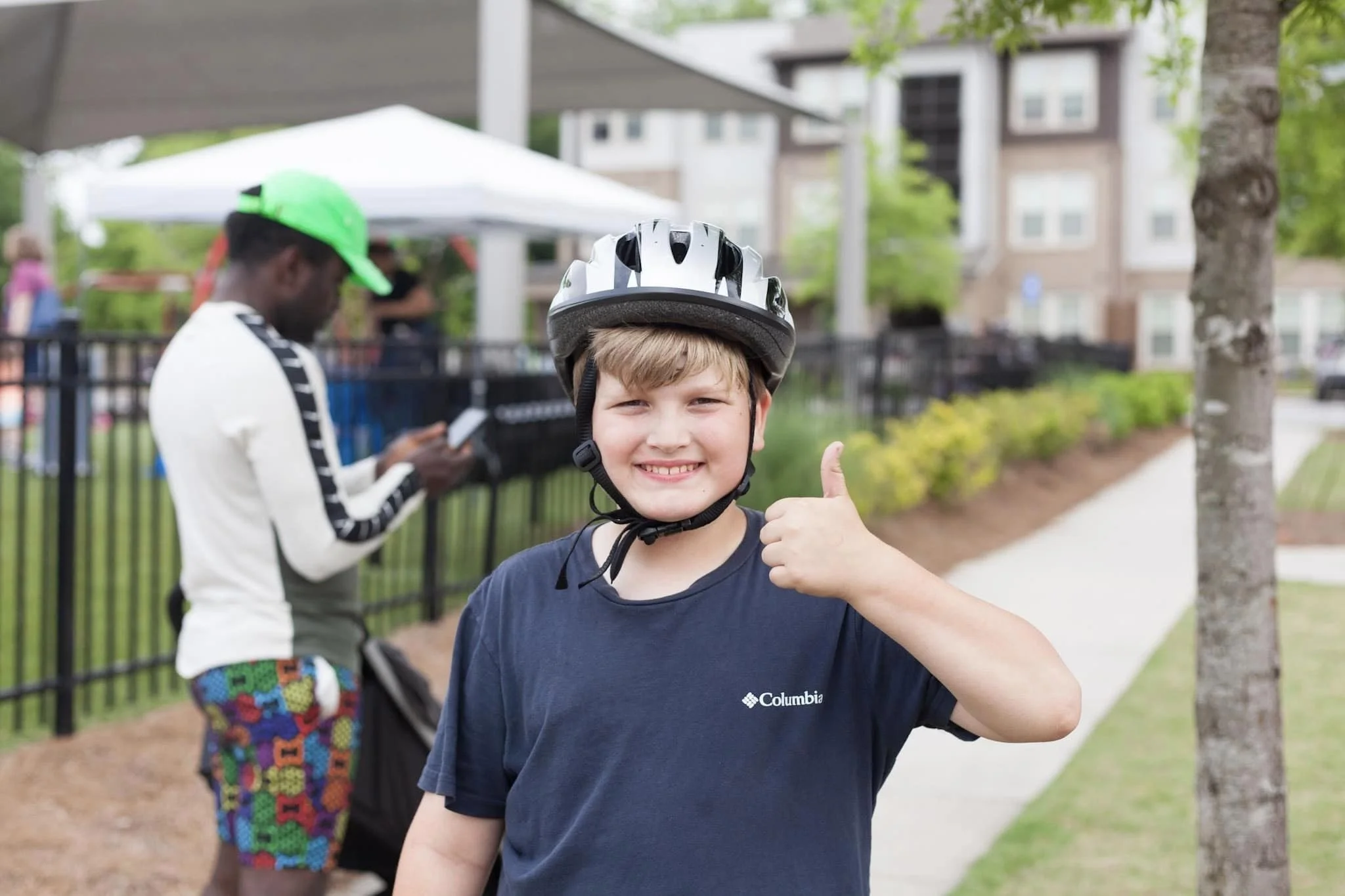
Outdoor Safety
Safe adventures for every child.
Did you know…
…properly fitted helmets can reduce the risk of head injuries by nearly half, yet fewer than 50% of children under 14 wear one regularly when biking?
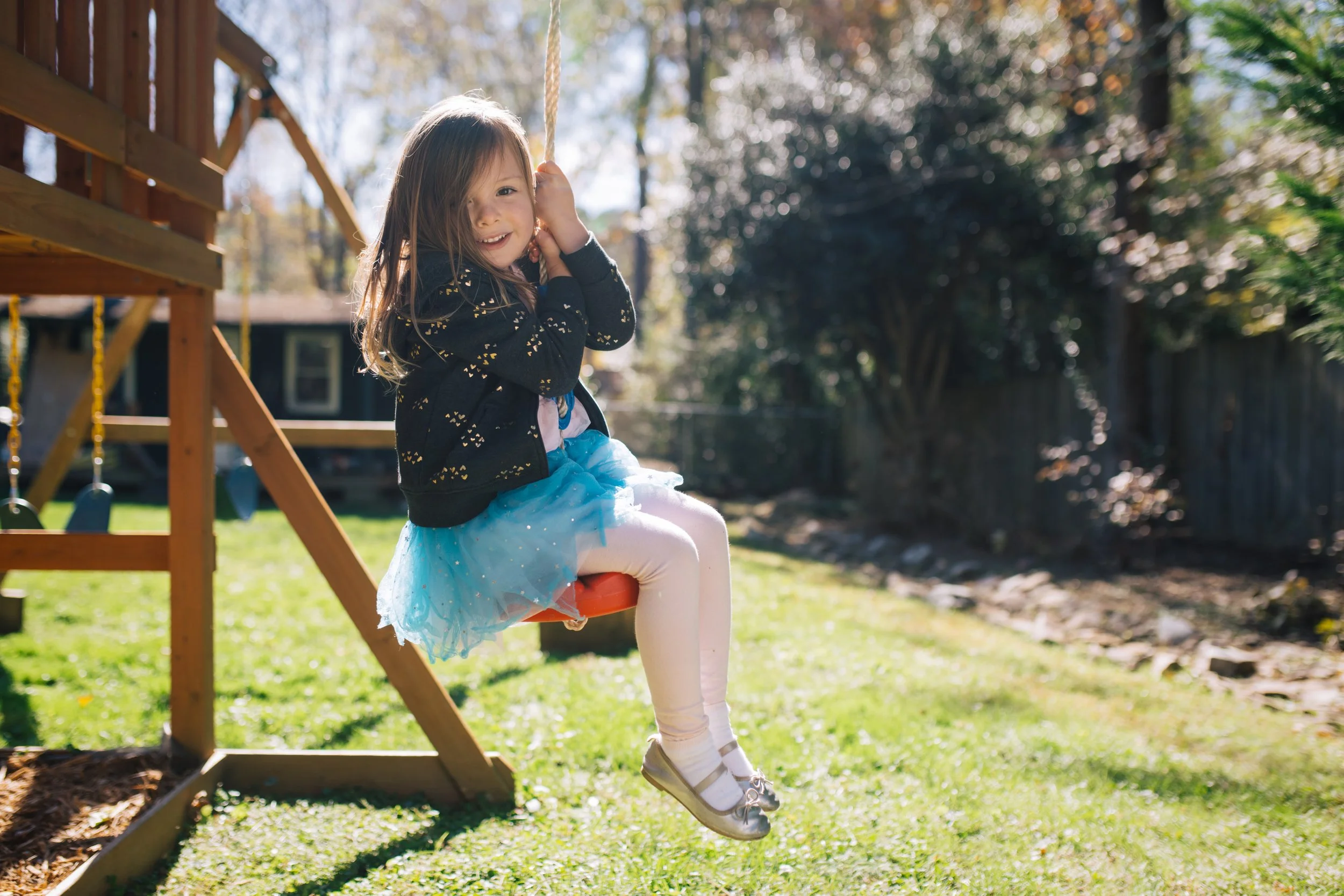
…each year, more than 200,000 children in the U.S. are treated in emergency departments for injuries related to playground activities?
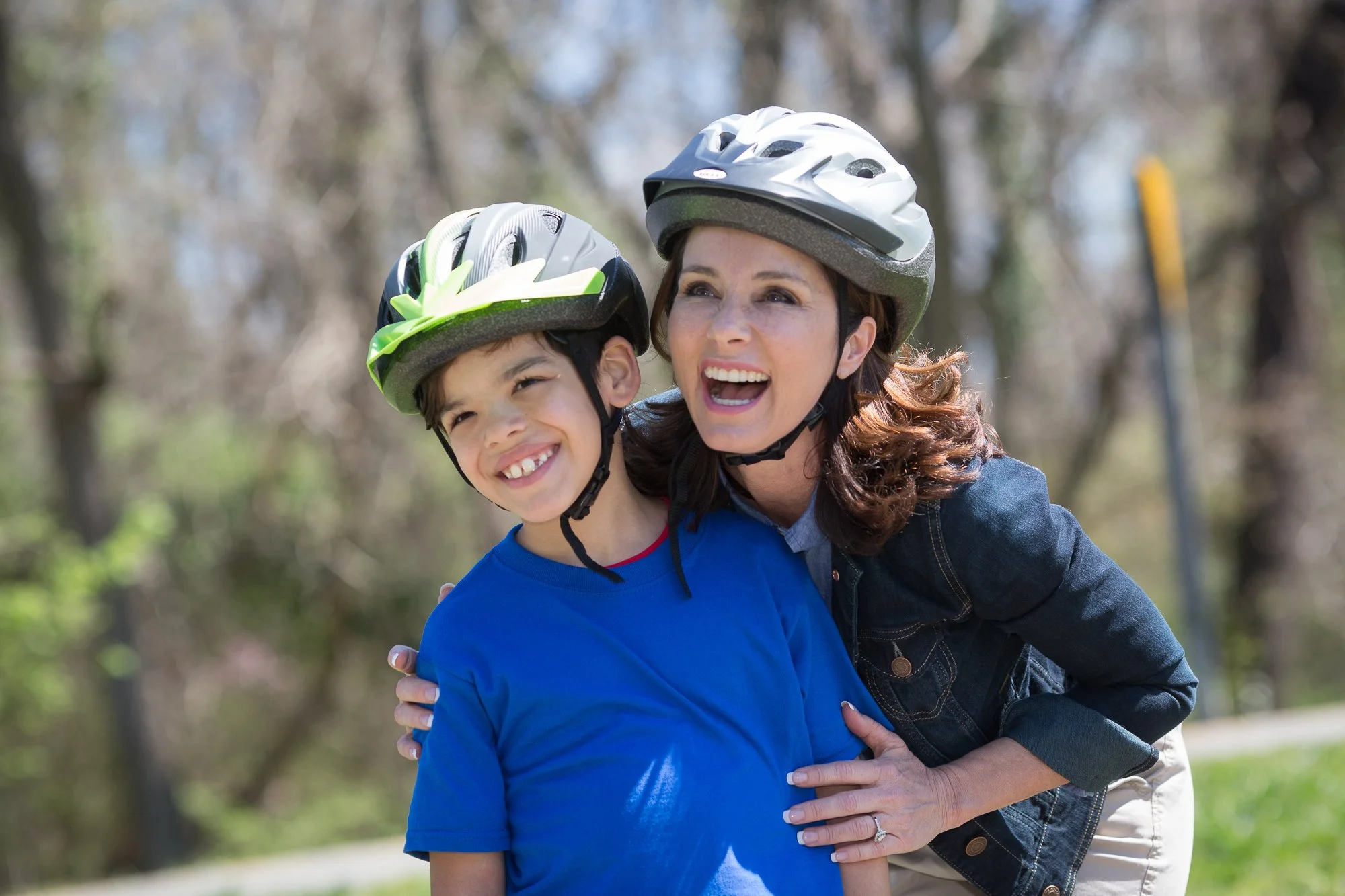
The best way to prevent bike related head injuries and death is by wearing a properly fitted helmet.
Wear bright colors and use lights when riding, especially in the early morning or at night. Adding reflectors to your clothes and bike makes you easier to see.
Ride alongside your children and stay together until you’re confident they can ride safely on their own. It is important you role model safe behaviors by wearing a helmet and obeying traffic laws.
Ride in bike lanes when possible. If riding on the road, stay on the right, go with traffic, use hand signals, and ride straight and predictable.

Top Tips for Bike and Boating Safety
Always wear a U.S. Coast Guard-approved life jacket when on the water, selecting one that fits your child’s weight and suits the activity.
Know the 5 layers of protection around water.
Avoid using alcohol and other substances while boating. The U.S. Coast Guard reports that nearly one-third of recreational boating deaths involve alcohol. Using alcohol or drugs impairs judgement, vision, balance, and coordination. Talk with your children and teens about these dangers.
Top Tips for Sun Exposure Safety
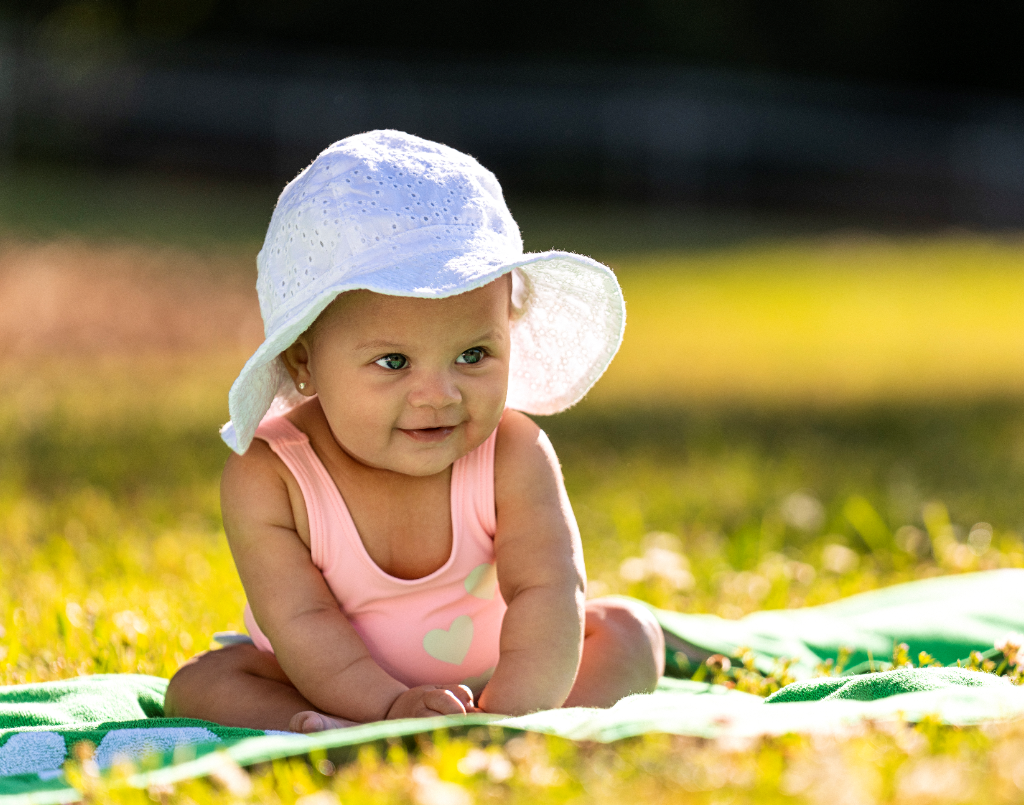
Babies under 6 months should avoid direct sunlight. If shade isn’t available, use an umbrella, stroller cover, or protective clothing, and apply sunscreen to small areas like the face and hands.
Use a broad-spectrum, water-resistant sunscreen with SPF 30+ and apply it 15-30 minutes before sun exposure, covering all exposed areas, especially the face, ears, hands, nose, and backs of knees.
Dress kids in protective clothing - dark or bright colors work best - and use swim shirts, rash guards, wide-brimmed hats, and sunglasses for extra protection. Cover up during long sun exposure and model sun-safe habits by wearing protective clothing and sunscreen yourself.
Top Tips for Playground Safety
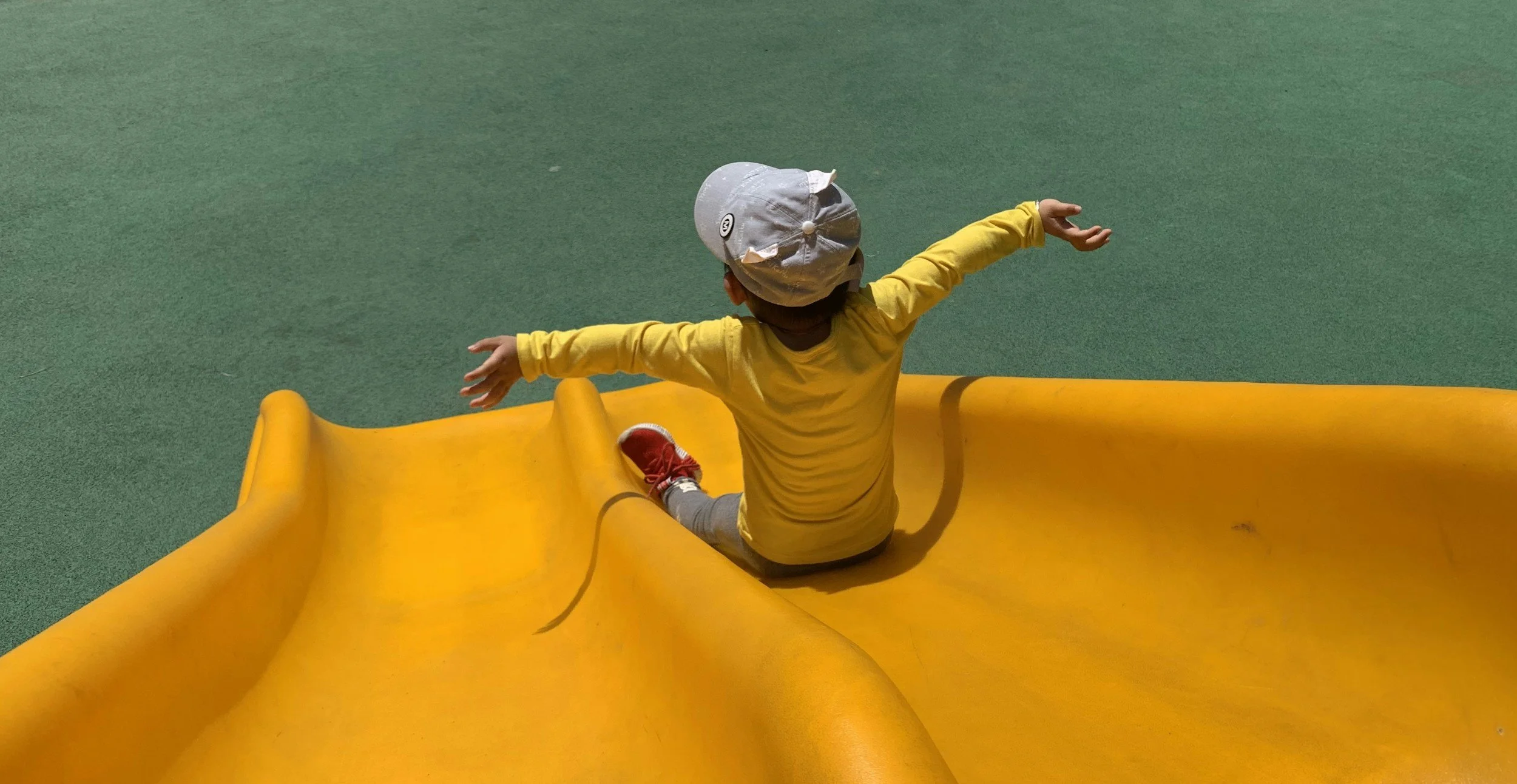
Follow playground signs for age-appropriate use and safety rules, and always actively supervise children.
Choose playgrounds with thick, shock-absorbing surfaces like rubber, sand, wood chips, or mulch to cushion falls and reduce injury.
Dress kids safely for the playground by avoiding necklaces, scarves, purses, or drawstring clothing that can get caught. Helmets should be reserved for biking, not play equipment.
Check the playground for tripping hazards, broken equipment, and hot surfaces, and report any safety issues. Ensure swings and other equipment are safe to use.
Teach children that pushing, shoving, crowding, or misusing equipment is unsafe, and discourage these behaviors on the playground.