Safe Infant Sleep
Creating a safe place for your baby to sleep and nap
Sleep-related deaths are the #1 preventable cause of death in children under one year old.
Safe sleep practices reduce the risk of sleep-related injuries and provide peace of mind for parents and caregivers. From choosing the right sleep surface to positioning your baby correctly, small changes can make a difference!
Our resources are here to guide you in creating a safe, nurturing sleep environment that supports your baby’s growth and safety.
Did you know…
… on average, 3,400 babies under 12 months old die suddenly and unexpectedly during sleep each year?
… suffocation, entrapment, strangulation, and sudden infant death syndrome (SIDS) are all causes of sleep-related infant deaths?
… infants younger than 6 months are at the highest risk for SIDS?
Top Tips for Infant Sleep Safety:
Safe sleep doesn’t have to be complicated. You don’t need special or expensive gadgets or to rely on outdated advice.
What matters most is following the ABCs of safe sleep: Alone, on their Back, and in a Clear Crib.
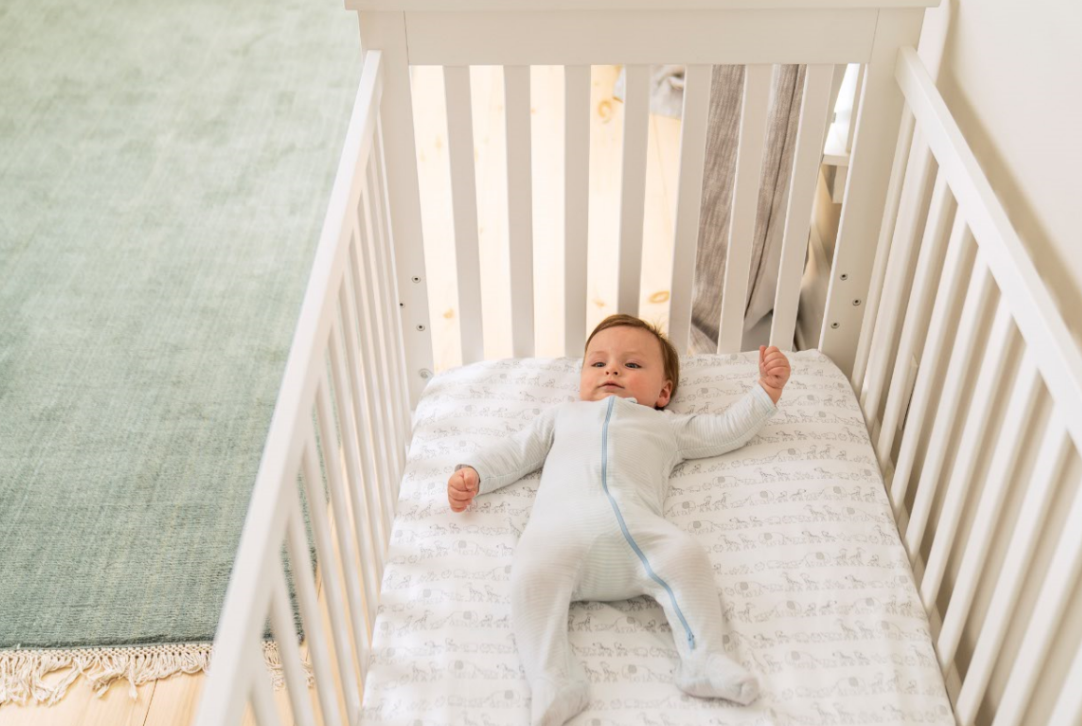
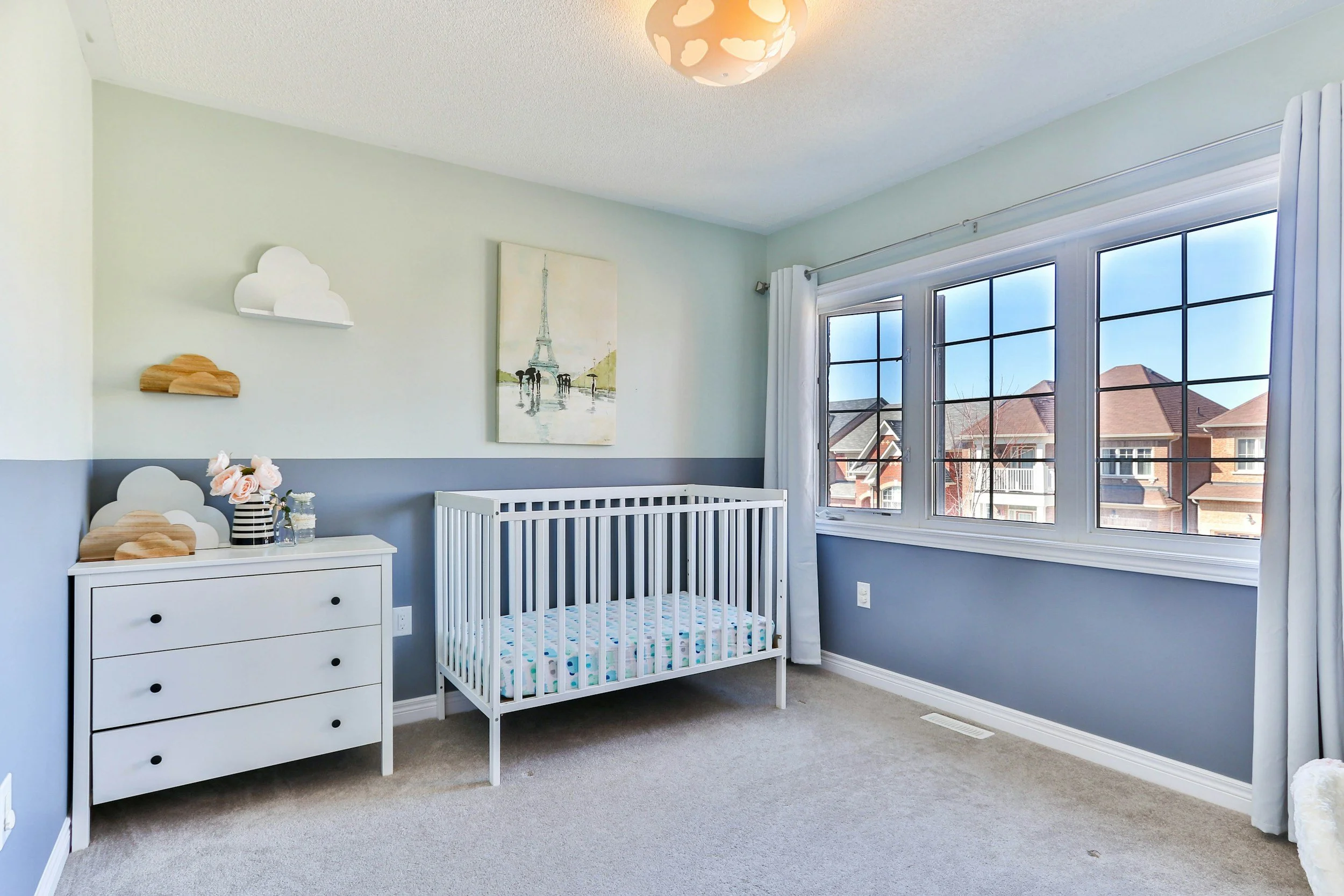
Alone: Sharing a room with your baby is safe and recommended- sharing a sleep surface is not. Babies should always sleep alone in their own crib, bassinet, or play yard. Keeping your baby’s sleep space separate reduces the risk of suffocation, strangulation, and SIDS, while still letting you stay close by for feeding and comfort.
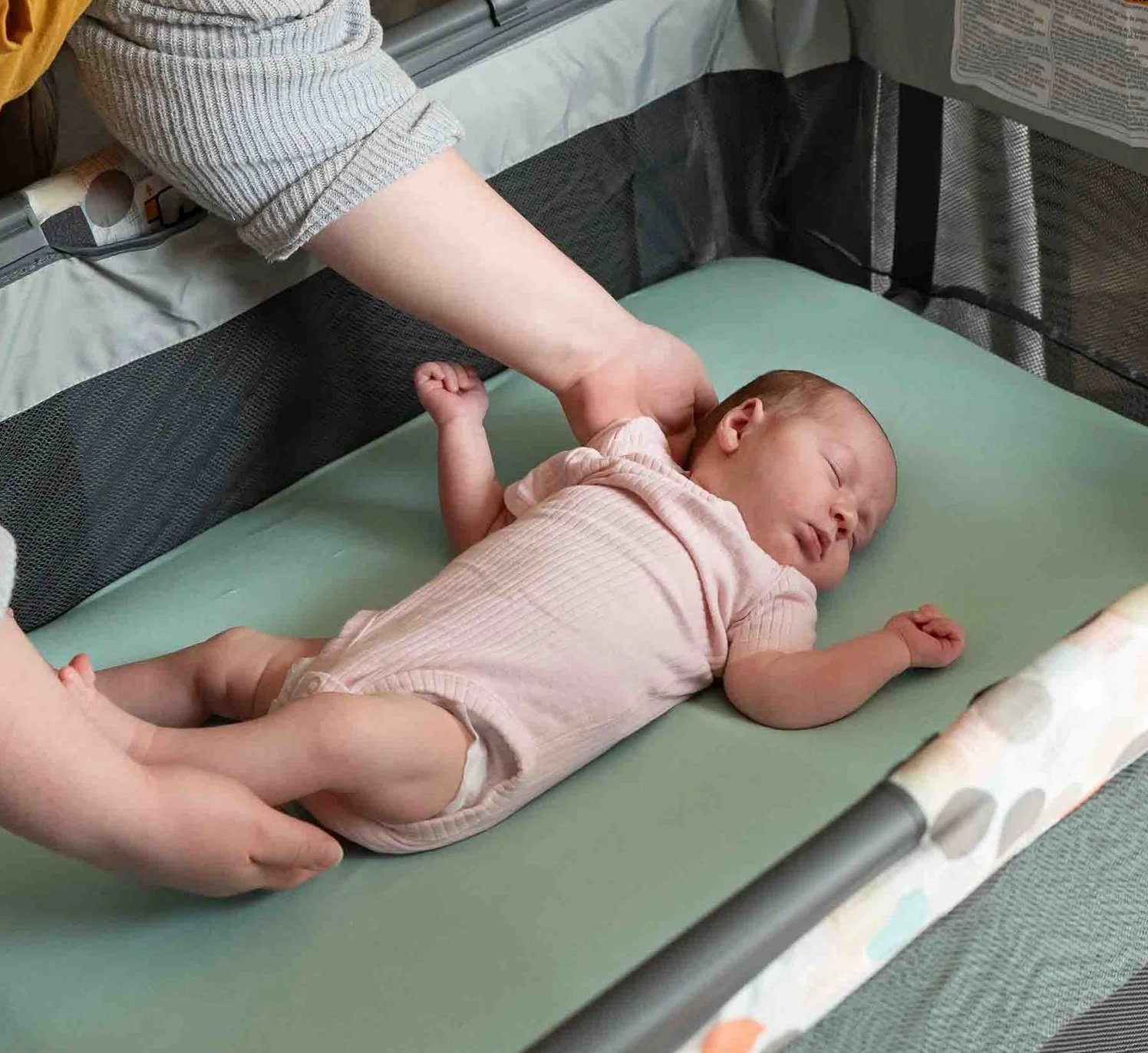
Back: Placing your baby on their back for sleep - both naps and nighttime - is the safest position. Babies who sleep on their backs have a much lower risk of sleep-related death than those placed on their stomach or side. Once your baby can roll over on their own, you can let them find their own comfortable position but always start every sleep on their back.
Clear Crib: A safe sleep space should be simple and clear. Your baby’s crib, bassinet, or play yard should have only a firm mattress and fitted sheet - nothing else. Keeping pillows, blankets, bumpers, and stuffed animals out of the crib until their first birthday helps your baby breathe safely and lowers the risk of suffocation or strangulation.
Frequently Asked Questions
Still have questions about safe sleep?
Take a look at our FAQ section for more information!
-
To reduce the risk of SUID and SIDS, babies under 1 year of age should always be put to sleep on their back. Once your baby is able to roll over on their own and is no longer swaddled, it’s OK to leave them if they roll onto their tummy. But lay them down on their back to start.
-
The short answer is yes! Just like cribs, portable play yards are fitted with a flat, firm mattress in the bottom, which is a perfect sleep surface for a baby. If you like, you can use a fitted sheet but avoid soft items like blankets during sleep time.
-
Using a pacifier has been proved to reduce the risk of SIDS. The AAP recommends offering one at night and during naps once breastfeeding has been established. To minimize the risk of strangulation, never clip a pacifier to a baby’s clothes or hang it from the crib. The pacifier can be loose in their crib.
-
Dress your baby lightly for sleep (overheating has been linked to SIDS). Set the room temperature in a cool range that’s comfortable for a lightly clothed adult. If they need an extra layer in colder months, use a sleep sack as a safe alternative to blankets.
The latest recommendations state that babies should not wear hats during sleep time once they’re home from the nursery.
-
Sleep sacks are a safe alternative to blankets that can keep your baby warm in chillier months.
Weighted products, such as weighted sleep sacks, blankets and swaddles, are not safe for infants. They can increase the risk of suffocation and overheating, which increase the risk of SIDS.
Learn more on choosing the right sleep sack.