Keeping kids safe where it matters most.
Home Safety
Did you know…
…medications are the number one cause of child poisonings?
…in 2023, around 167,000 children under the age of 14 suffered from a toy-related injury, according to the United States Consumer and Product Safety Commission?
…almost 87% of fire-related deaths occur in homes, where flames can spread quickly and leave families with just two minutes to escape after the alarm sounds?

Your home should be the safest place for your child - but everyday items and spaces can pose as hidden risks. By taking a few simple steps, you can prevent common injuries and create a safer environment for your family.
Click on each room in the house to explore child safety tips. Select a space - like the kitchen, bedroom, or bathroom - to learn practical ways to keep your child safe at home.






Top Tips for Bedroom Safety
Make sure a carbon monoxide alarm is installed on every level of your home, specifically around sleeping areas. Test the alarms every month to ensure they are working properly.
Ensure working smoke alarms are on every level, in bedrooms, and near sleeping areas. Test every month and replace every 10 years or when batteries run low.
In the bedroom, keep cords and blinds’ strings out of reach to avoid choking or strangulation, and arrange furniture away from windows to prevent climbing accidents or falls.
Store guns securely, out of children’s sight and reach. Leaving firearms unattended on nightstands or tables can lead to serious injuries or death. Learn more through our firearm safe storage page.

Top Tips for Bathroom Safety
Keep all medications and chemicals out of children’s reach - use a lockbox if possible. Remind guests to store their belongings safely and save the poison control number (1-800-222-1222) in your phone.
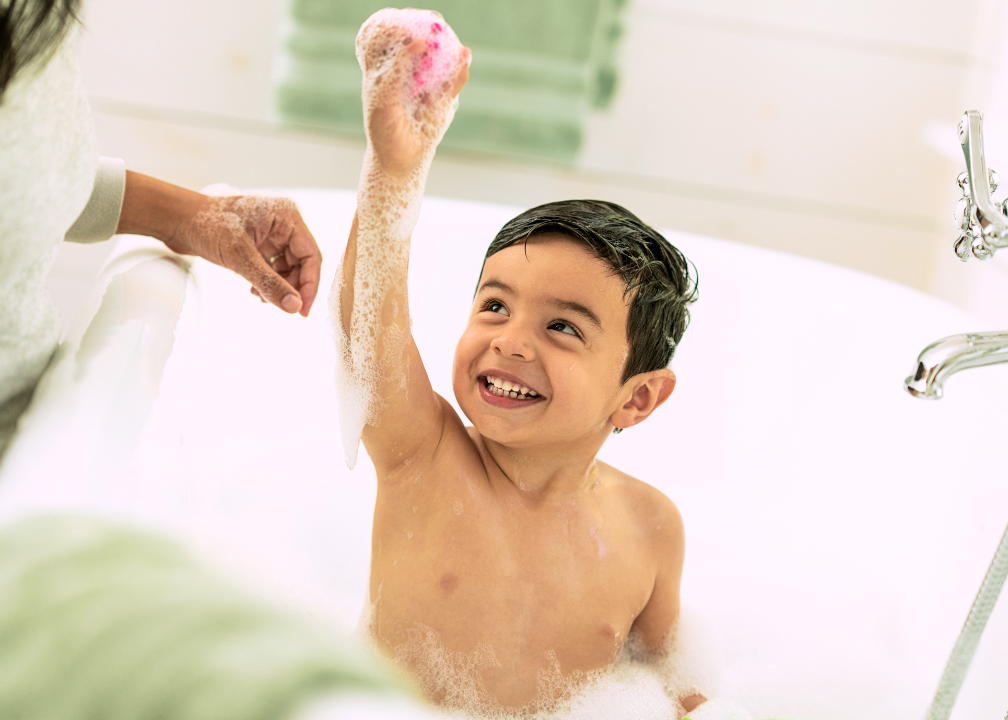
Drowning is common among children ages 1-4, and it can happen in the bathtub. Always keep your child within arm’s reach during bath time. Gather all supplies beforehand, use no more than 2 inches of water, and remove toys after each bath to prevent accidents. Visit our water safety page to learn more about drowning prevention.
Make sure the water in the bathtub isn’t too hot for your child. Testing that the water is warm to the touch, rather than hot, can be done by checking using the inside of your wrist to prevent scalds and/or burns.
Top Tips for Living Room Safety
Anchor TVs and furniture to the wall with mounts, brackets, braces, anchors, or straps to reduce the risk of tip-overs.
Rearrange household items by keeping heavy objects on low shelves or in bottom drawers, and avoid placing toys, remotes, or other tempting items where children might try to climb or reach.
Install approved safety gates at both the top and bottom of stairs, securing them to the wall when possible. Always follow the manufacturer’s instructions to ensure you’re using the right type of gate, since not all are safe for stair tops.

Top Tips for Kitchen Safety
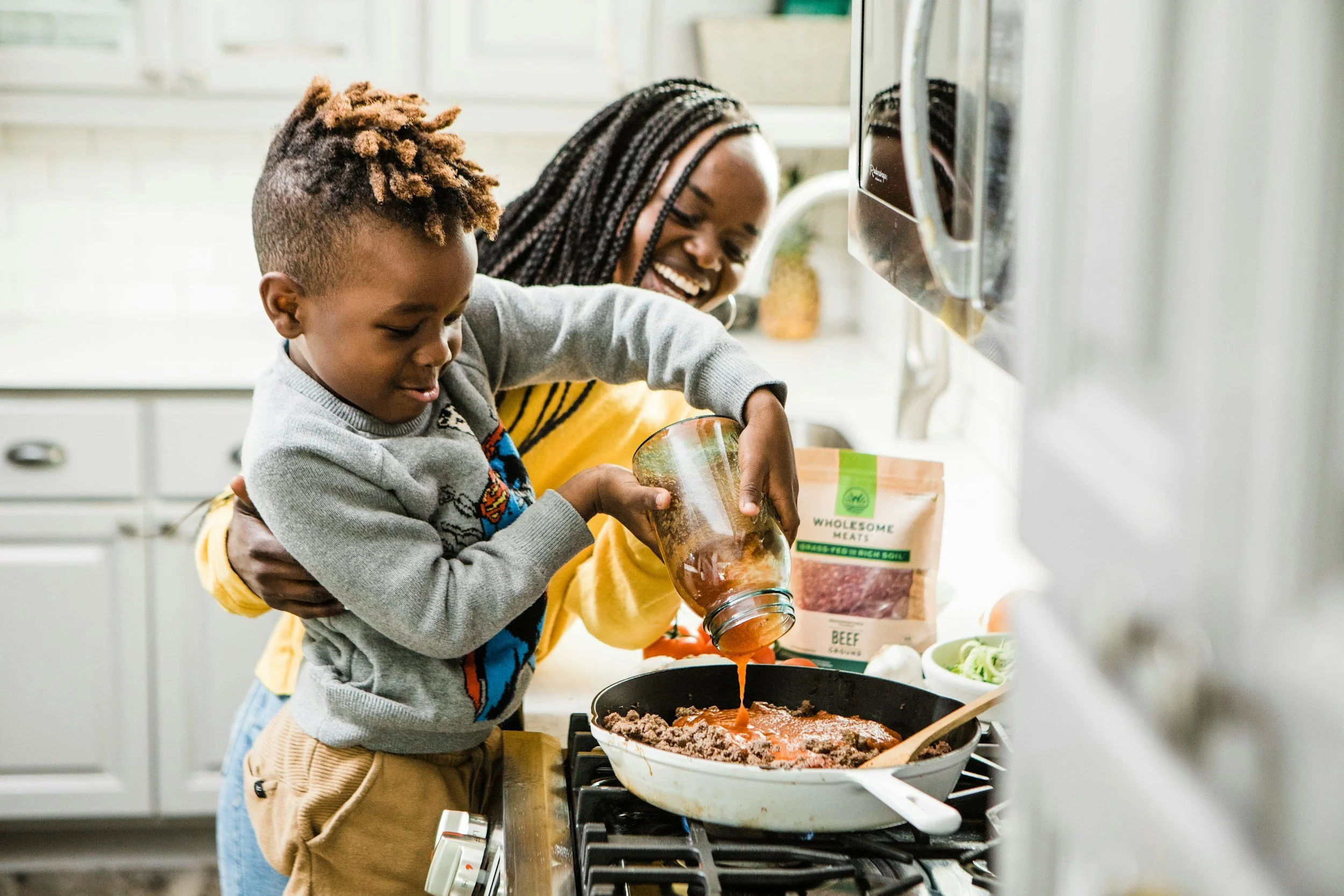
Keep younger children at least 3 feet away from the cooking area. If you need to supervise a baby while cooking, secure them in a highchair just outside the kid-free zone where you can still keep an eye on them.
Keep hot items away from children by using the back burners, turning pot handles inward, and placing hot food and drinks away from the counter and table edges.
Show older children how to cook safely by reminding them to stay in the kitchen while food is cooking and to use oven mitts or potholders when handling hot pots and pans.
Store knives, forks, scissors, and other sharp tools separately from safe utensils. Keep appliances with sharp blades, like food processors, out of children’s reach or in a locked cabinet.
Top Tips for Playroom Safety
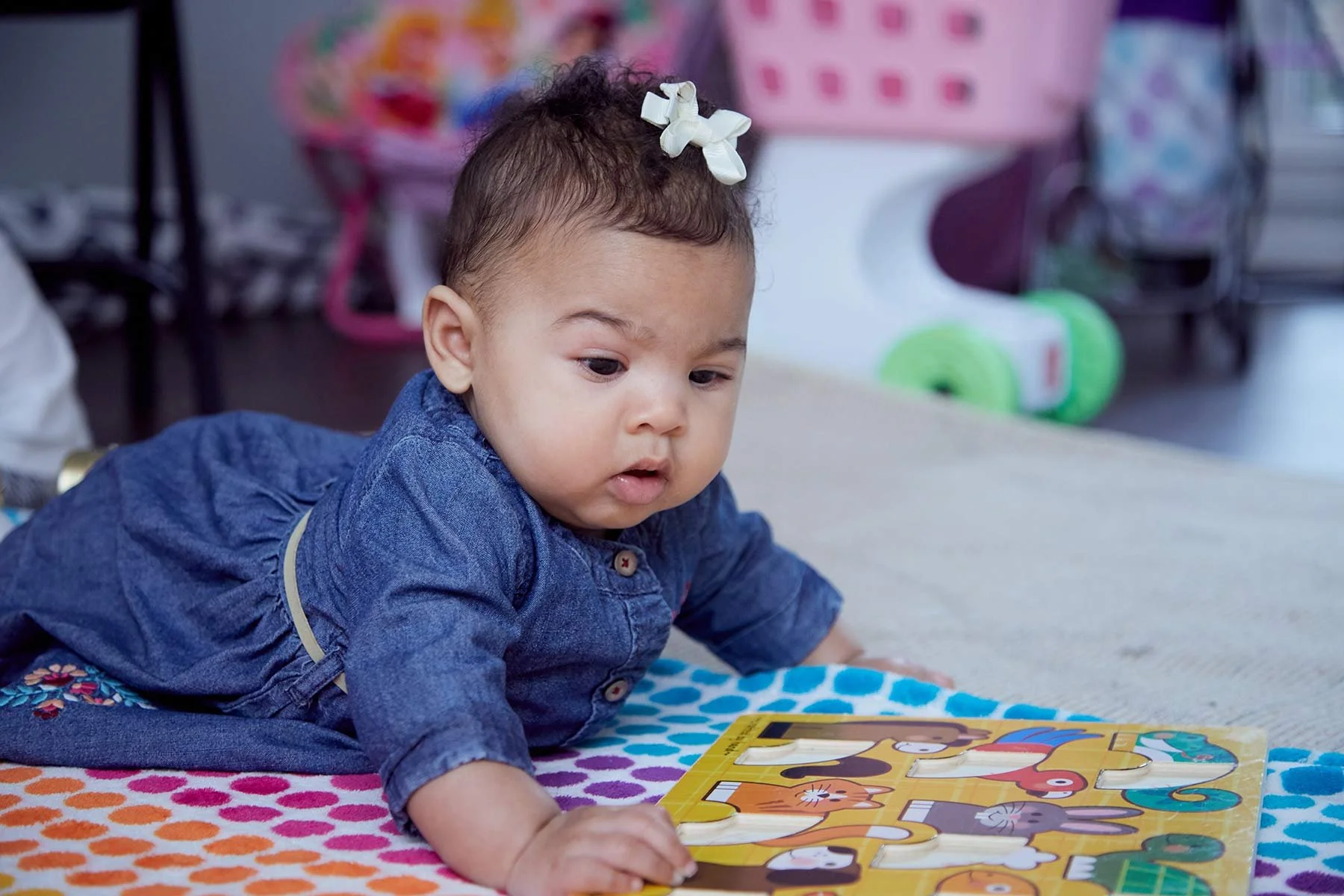
Pick toys that match your child’s age and stage, avoid small parts that could cause choking and steer clear of toys with sharp edges or points.
Be careful with battery-powered toys - button batteries can be deadly if swallowed. Keep them out of reach and avoid toys with loose batteries.
Watch for harmful chemicals in toys like paints, chemistry sets, or hobby kits. Choose items labeled “nontoxic”, and look for “phthalate-free”, “PVC-free,” or “BPA-free.” Avoid plastics marked with recycling codes #3, #6, or #7, and always follow the recommended age for safe use.
Inspect toys often for damage or loose battery compartments. Make sure batteries stay secure, as wear and tear can cause them to loosen. Avoid toys with tab-lock compartments that kids can easily open.