Sports Safety
When safety comes first, the game stays fun.

Did you know…
…the Centers for Disease Control and Prevention reports that nearly 3 million youth sports injuries are treated in U.S. emergency departments each year?
…common types of sports injuries include concussions, fractures, sprains, growth plate injuries, and overuse injuries?
Top Tips for Sports Safety:
Before starting organized sports, ensure you child has a pre-participation physical exam (PPE) by a doctor, nurse practitioner, or another qualified clinician. No matter who performs it, the exam should follow the same standards, including a review of medical history. Here is the Sports Physical and History form for Georgia.
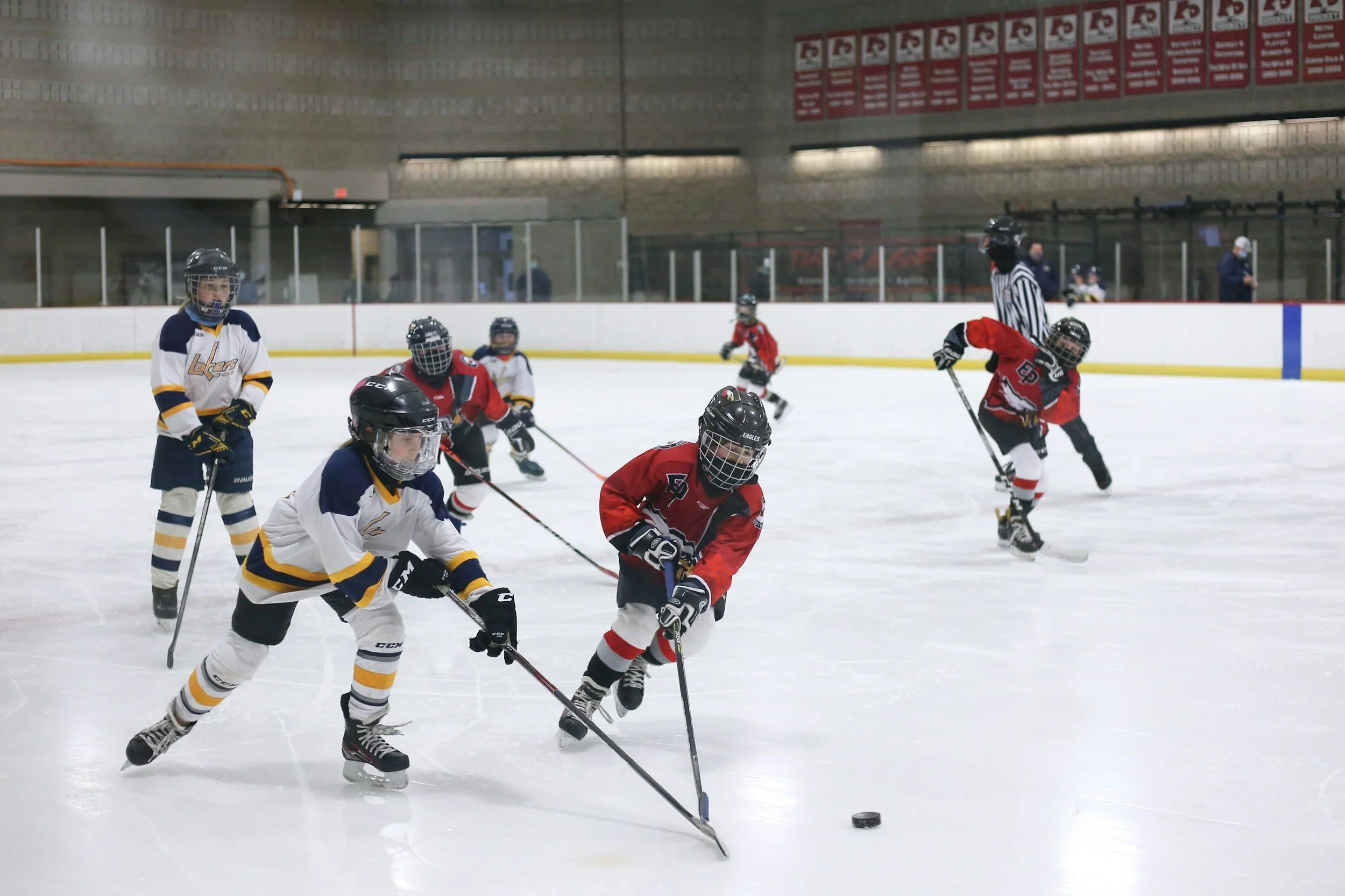
Make sure your child has the right protective gear - like helmets, pads, or mouth guards - that fits well and is used correctly. You want to ensure the safety equipment is for the specific sport- a baseball helmet and football helmet have different safety features. New equipment is best, but if you use secondhand gear, check that it’s still in good condition.
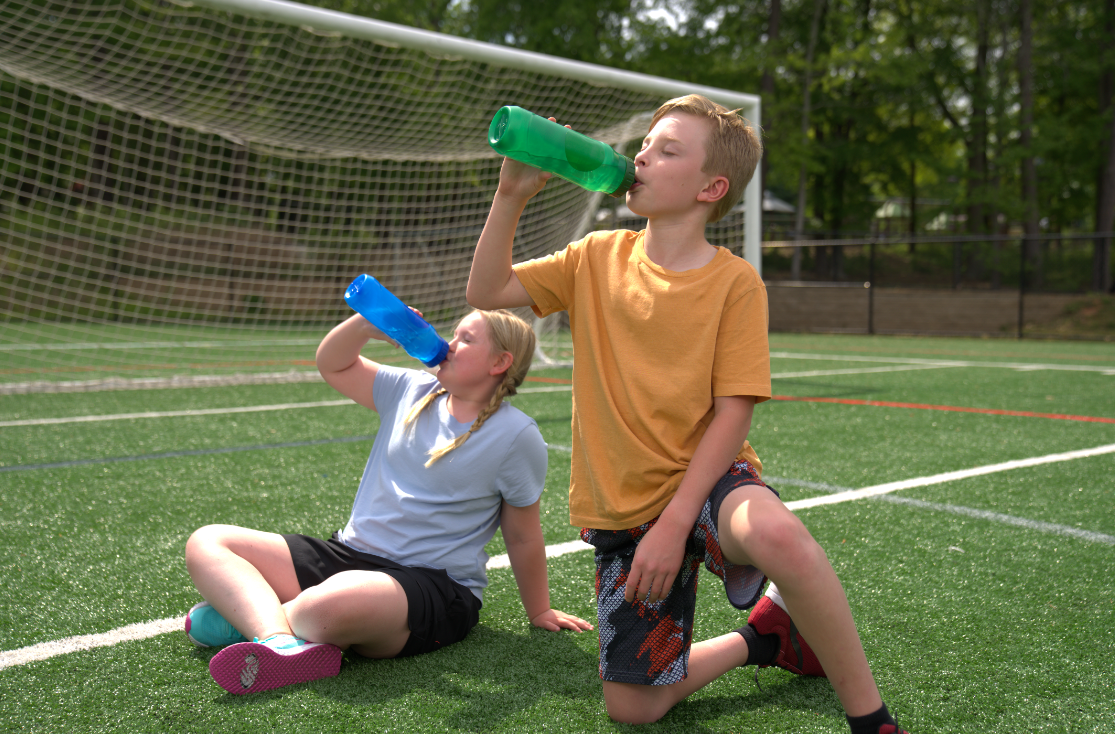
Dehydration is a top safety risk for young athletes. Offer water breaks every 15 minutes and remind kids to drink even if they are not thirsty. Use warm-up and cool-downs, and provide shade, ice, or kiddie pools to help athletes cool off. Encourage light, breathable clothing and brimmed hats. Know the signs and symptoms of dehydration.
Watch children with medical conditions such as asthma, diabetes, past heat illnesses, and those on medications as they may be at higher risk for heat illness.
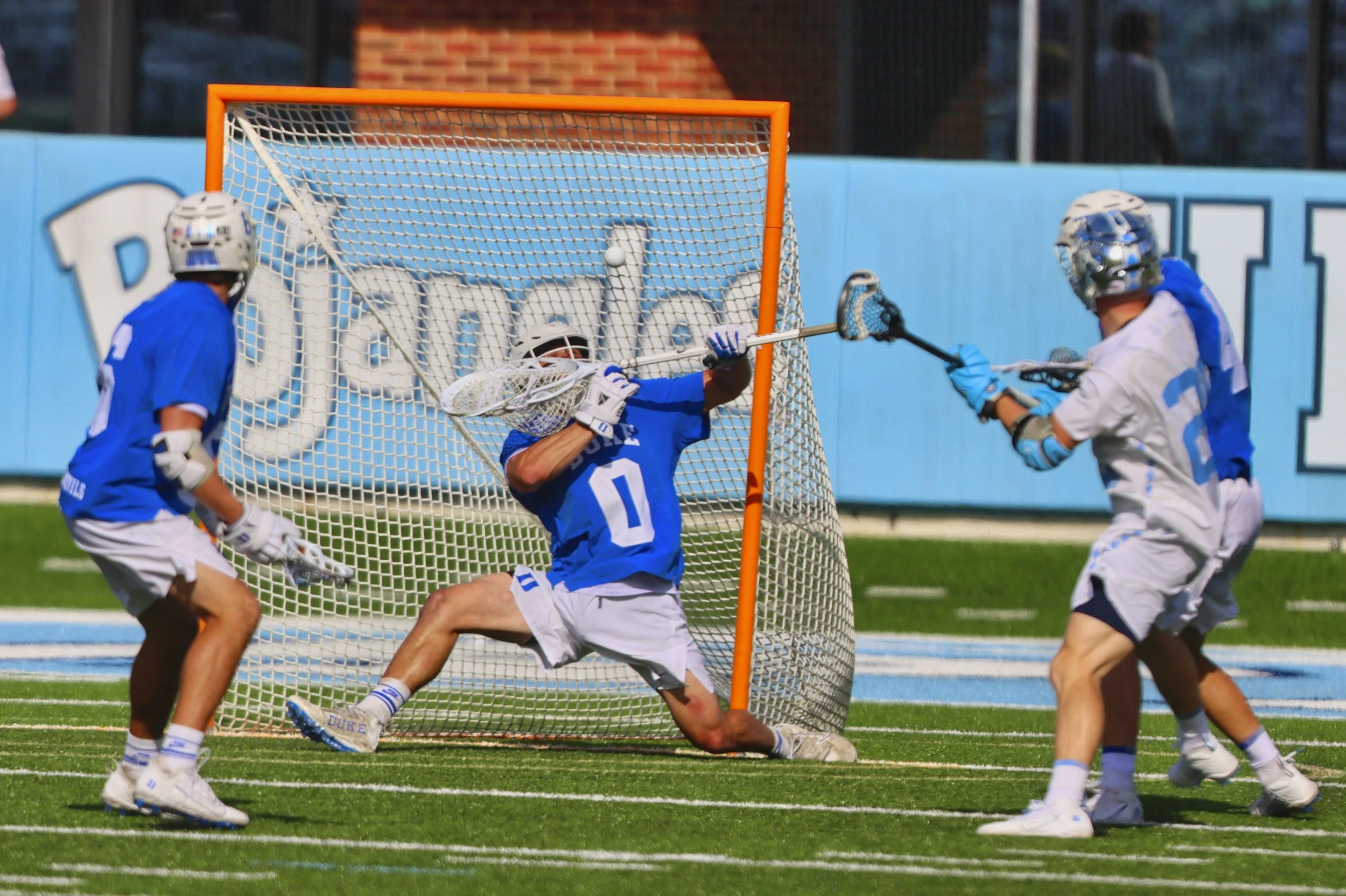
If your child plays a contact sport, make sure they are following the rules to help prevent injuries such as a concussion or a traumatic brain injury. Common rules include not hitting others in the head, avoiding using their head or helmet to hit, avoiding illegal or unsafe contact, and never intentionally hurting another player. And if injured, make sure to follow the return to play guidelines.